What Actually Matters in a Pond Vacuum
Shopping for a pond vacuum gets confusing fast because the marketing usually makes them all sound powerful, easy, and perfect. In reality, the right choice depends on the size of your pond, the kind of debris you are dealing with, and how often you plan to use it.
For Utah pond owners, it also helps to think about mineral-heavy water, seasonal debris, algae cleanup, and the reality of pond sludge that can get thick fast during warm months.
Key Features to Compare
Suction Power
You want a vacuum that can handle soft sludge, debris, and muck without constantly clogging. Light-duty models may be fine for tiny decorative features, but larger koi or fish ponds usually need something stronger.
Continuous vs. Stop-and-Drain Operation
Some pond vacuums pause while they empty. Others allow more continuous operation. If you are cleaning a larger pond, that difference matters a lot for time and convenience.
Discharge Setup
Pay attention to where the dirty water goes. A workable discharge hose setup makes the entire cleaning process easier and helps prevent a muddy mess around the pond.
Hose Length
If the hose is too short, cleaning becomes frustrating fast. Depth, reach, and the ability to move around the pond without constantly repositioning matter more than people expect.
Debris Handling
Some vacuums handle light silt well but struggle with leaves or thicker sludge. Think about whether your pond mostly collects fish waste, plant debris, leaves, algae, or all of the above.
Utah-Specific Considerations
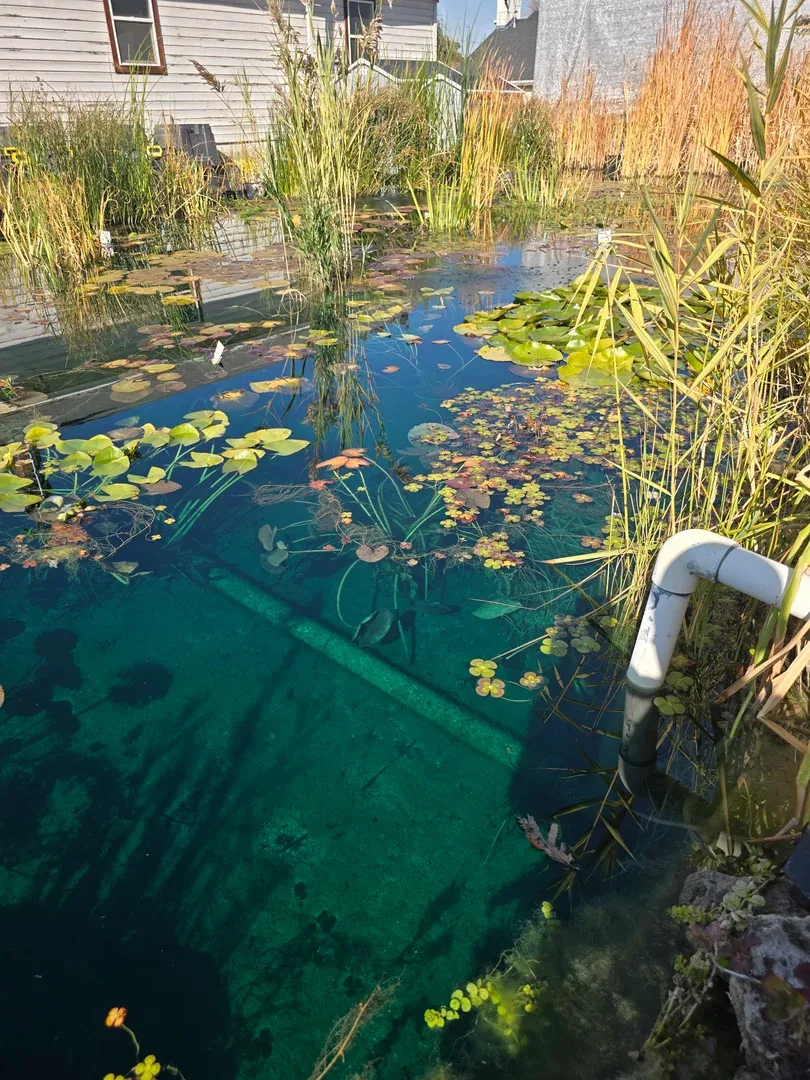
Utah ponds often deal with hard water, strong sun, evaporation, algae pressure, and seasonal debris. A pond vacuum that works for a tiny water feature in mild conditions may not feel nearly as useful on a Utah pond with heavier buildup or frequent maintenance needs.
Who Needs a Pond Vacuum?
- Pond owners with regular sludge buildup
- Koi pond owners who want less disruptive cleaning
- People dealing with leaves and organic debris
- Owners trying to extend time between full cleanouts
Who Might Not?
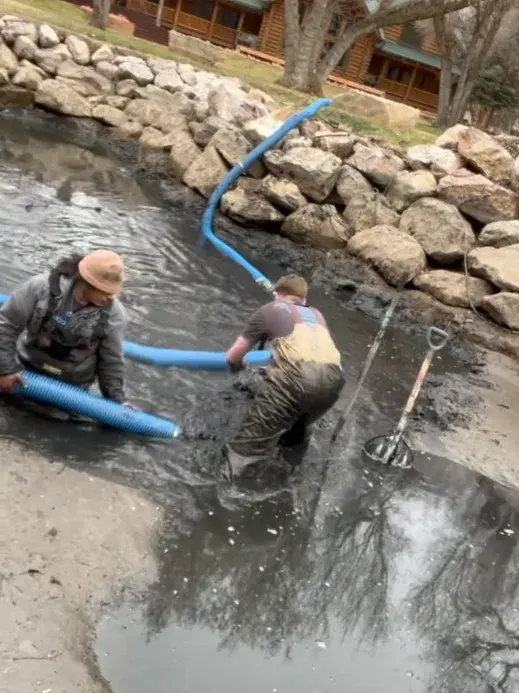
If the pond is heavily neglected, losing depth, or packed with years of buildup, a vacuum may not be enough. In that case, a deep clean, drain-and-clean, or dredging approach may be more realistic.
Good Buying Questions
- How big is my pond?
- How thick is the sludge I am dealing with?
- Do I want quick seasonal cleanup or serious maintenance help?
- Do I have koi or fish that make gentle cleaning more important?
- Will I actually use it often enough to justify owning one?
Need Help Deciding?
Utah Water Gardens helps pond owners figure out whether buying a pond vacuum makes sense or whether professional cleaning is the better route. If you are not sure what your pond actually needs, we can help you avoid wasting money on the wrong equipment.