Keep fish care part of the cleaning plan
Use the checklist to understand the precautions, recognize when the job needs professional help, and know what to watch afterward.
Observe fish and review the equipment and discharge setup.
Avoid chasing fish or stirring sludge without removing it.
Watch water level, flow, and fish behavior.
Why Koi Pond Vacuuming Needs Extra Care
Vacuuming a koi pond sounds simple until you realize how easy it is to stress fish, stir up sludge, or accidentally disrupt the balance of the pond. The goal is not just to make the pond look cleaner. The goal is to remove waste while keeping water quality stable and fish calm.
Koi Pond Vacuuming Checklist
- Check that fish are acting normal before starting
- Inspect the vacuum and discharge setup before use
- Do not vacuum aggressively around resting or feeding fish
- Focus on bottom debris, dead zones, and sludge pockets
- Work slowly to avoid blasting debris into the water column
- Do not strip out every bit of beneficial buildup at once
- Monitor water level changes during cleaning
- Rinse or clean filters after the vacuuming session if needed
- Test water if the pond was heavily disturbed
Before You Start
Look at the pond first. If the water is already stressed, fish are flashing, or the system is having filtration issues, vacuuming may need to be paired with a broader maintenance plan. Also make sure you know where the heaviest debris is collecting so you can target the right spots instead of stirring up the whole pond.
Where to Focus
Most koi ponds collect waste in predictable areas: bottom pockets, between rocks, near drains, in low-flow corners, and around plant shelves or edging. These are usually the best targets for vacuuming. You do not need to overwork clean areas just because you have the vacuum running.
What to Avoid
- Chasing fish with the vacuum head
- Stirring up thick sludge without actually removing it
- Draining too much water too quickly
- Cleaning so aggressively that the pond loses stability
- Ignoring filter maintenance after the cleanup
How Often Should You Vacuum a Koi Pond?
That depends on fish load, feeding habits, pond depth, filtration, and how many leaves or organics enter the system. Some koi ponds benefit from seasonal vacuuming, while others need more regular attention during warm-weather months when waste buildup happens faster.
Fish Stress Is the Main Priority
Koi are hardy in many ways, but they do not love sudden disruption. A calm, targeted cleaning process is usually better than a dramatic one. If the pond needs deeper restoration work, a full professional cleanout may be more appropriate than trying to vacuum around severe buildup.
Professional Koi Pond Vacuuming in Utah
If you want the pond cleaned without guessing your way through fish-safe technique, Utah Water Gardens can help. We work on koi ponds throughout Utah with maintenance approaches that focus on water quality, waste removal, and minimizing unnecessary fish stress.
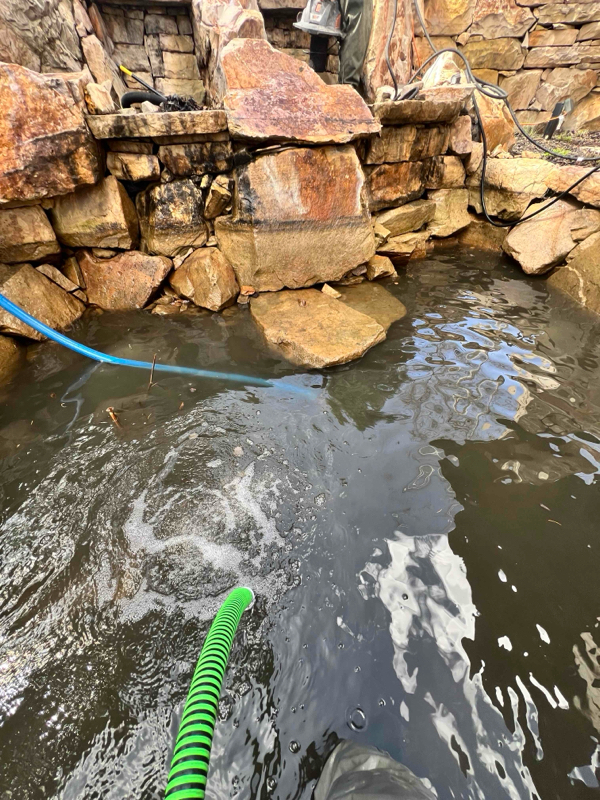
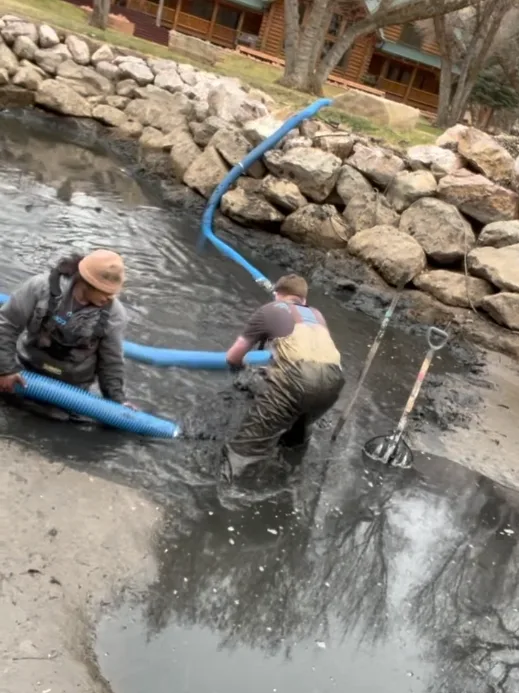
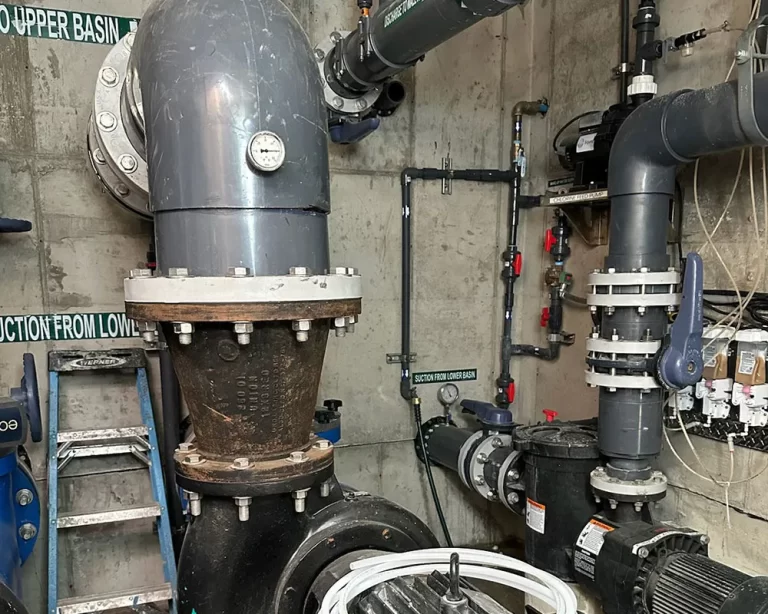
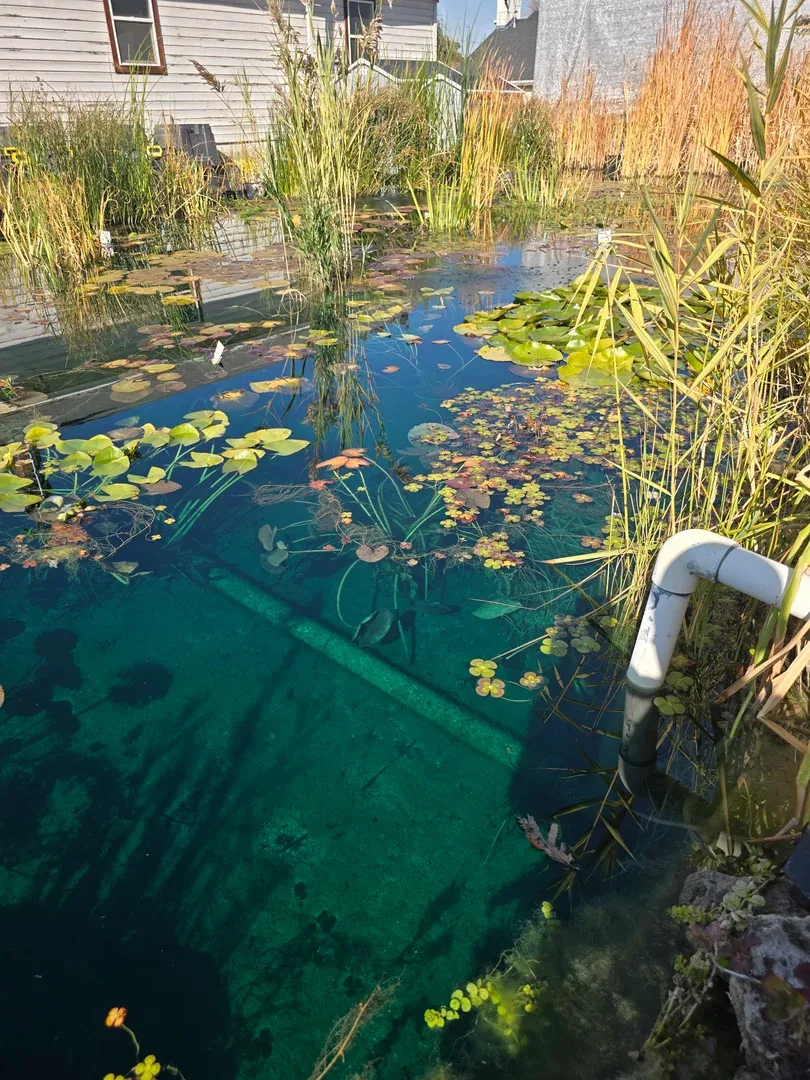
From our Utah service visits
When to Ask for a Professional Cleanout
If heavy buildup, difficult access, water loss, or fish concerns make the job uncertain, contact us before starting. Tell us about valuable koi and any changes you have noticed so we can discuss handling and the cleaning scope.
When a full cleanout requires moving fish, we bring holding tanks and use pond water during the cleaning. We document the pond and visible concerns, then plan the refill and return of the fish. A cleanout is not a treatment for fish disease. Read more about our approach to fish holding and refill water.
What to Watch After the Visit
Our crew sees the pond for a limited time; you can observe it between visits. Watch water level, waterfall flow, fish behavior, and plant growth, and tell us if anything changes. Startup checks are generally part of a cleanout, but a long refill or pending repair may mean testing happens later. We explain that handoff when it applies.
For help with recurring buildup, explore pond maintenance visits or request a koi pond cleaning quote.