Manual vs Electric Pond Vacuums: Which Is Best for Your Pond?
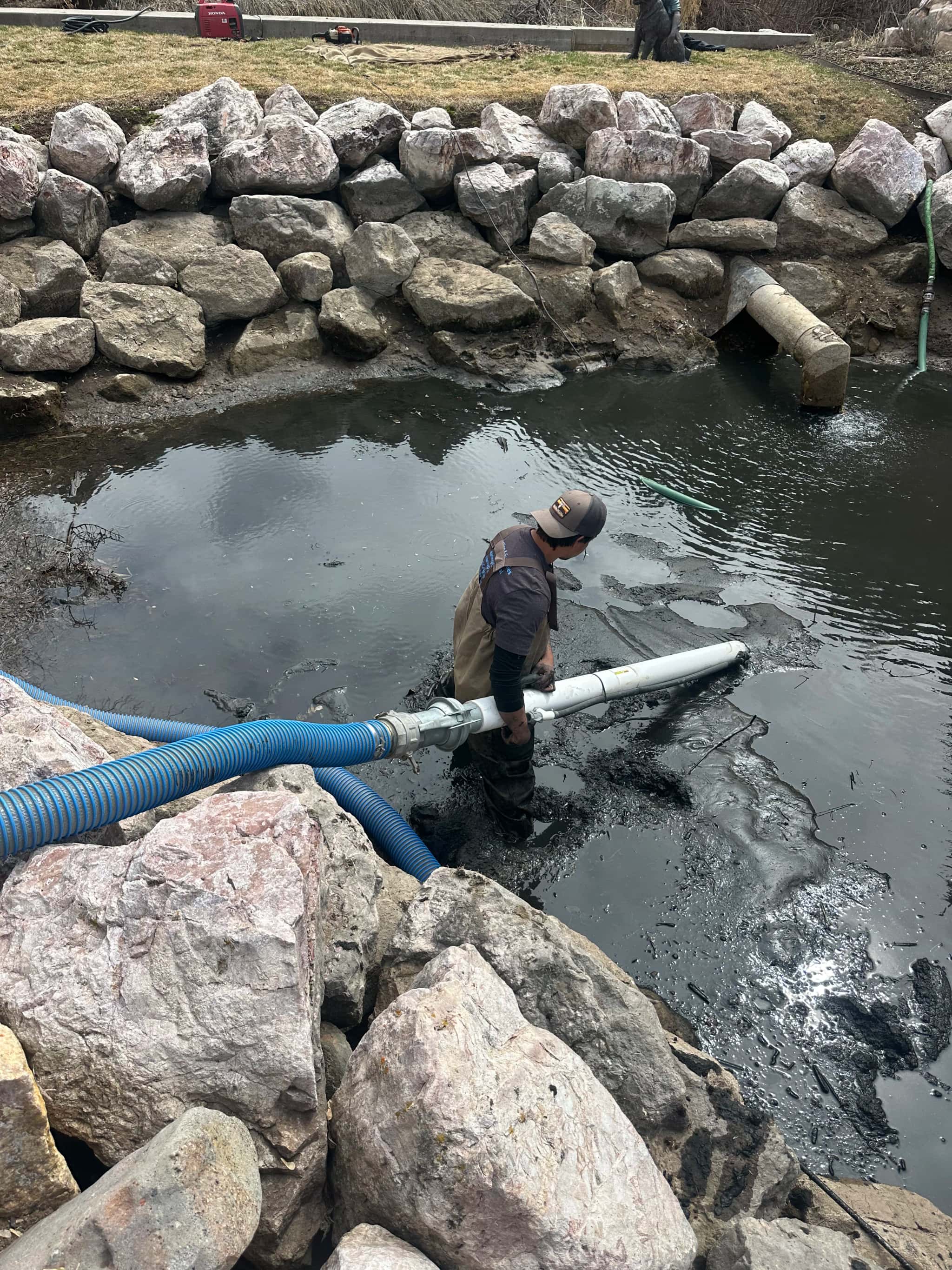
If you’ve ever tried to remove pond sludge with a weak tool, you know the feeling: you start motivated, then you slowly realize… this is going to take forever. That’s why the manual vs electric pond vacuum question matters. The right choice can make this a 30-minute cleanup instead of a whole Saturday.
Manual pond vacuums: when they make sense
Manual vacuums are fine for tiny ponds, small shelves, or light cleanup. If you’re mostly grabbing leaf litter and little pockets of debris, a manual unit can work.
- Best for: small water features, container ponds, light debris
- Not great for: thick sludge, heavy fish loads, big ponds
Electric pond vacuums: the “real pond” solution
Electric vacuums shine when you’re dealing with bottom sludge, long hose runs, and the kind of muck that makes algae problems worse. They’re faster, they move more debris, and they keep you from giving up halfway through.
- Best for: koi ponds, larger ponds, seasonal sludge removal
- Watch out for: filter bag clogging and discharge planning
My quick decision rule (this saves people money)
If you have to vacuum more than a couple times per season, or you have koi, an electric vacuum is usually worth it. If you only do tiny spot cleanups once in a while, manual can work.
And if you’re unsure, start with a professional visit. Our pond vacuum service will show you exactly what comes out of your pond, and then you can decide if DIY makes sense.
Conclusion
Manual is for light mess. Electric is for real sludge. If you want clarity with less stress, pair vacuuming with pond filtration and good flow from pond pumps.