Pond Pump Sizing in Utah (Simple Formula + Real-World Tips)
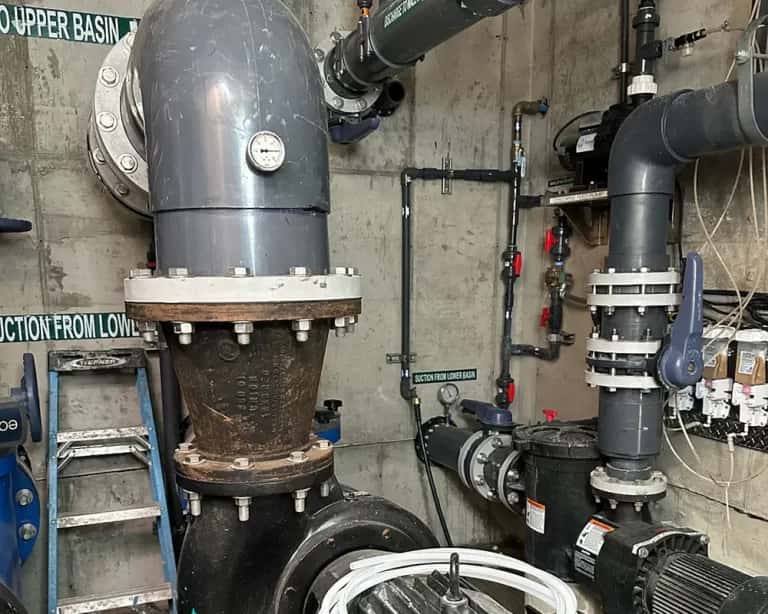
If you’ve ever bought a pump that looked perfect on paper but felt weak once it was installed… welcome to the club. Pond pump sizing is one of those things that seems simple until you factor in head height, plumbing, and real-world gunk. Let’s make it easy.
The simple sizing goal: turnover rate
Most ponds aim for 1x turnover every 1–2 hours. Koi ponds often need more flow, especially with heavy feeding. The starting point is:
- Water garden: pond gallons ÷ 2 hours = target GPH
- Koi pond: pond gallons ÷ 1 hour = target GPH
Head height is the hidden flow killer
That “GPH” number on the box is usually at 0 head. Add lift, elbows, long pipe runs, and filters… and flow drops. Measure vertical lift to your waterfall return, then add friction loss for plumbing and equipment.
Utah reality: hard water + debris means you need margin
Mineral buildup and debris load can reduce performance over time. We typically size with a little extra buffer, then control flow with valves (and unions for service).
Conclusion
If you want a “no guesswork” recommendation, start with our pond pumps & aeration page or request sizing help. A right-sized pump makes everything else easier — filtration, clarity, and fish health.