A cleaner pond starts with the right scope
Vacuuming, a full cleanout, and regular maintenance solve different problems. We help you decide which approach fits your pond.
Describe sludge, leaves, or heavier sediment.
Tell us about flow, water loss, or fish concerns.
Plan upkeep after the buildup has been removed.
When Pond Vacuuming Beats Draining
Pond vacuum service is one of the best options when your pond has built up sludge, loose debris, fish waste, and organic material, but does not need a full tear-down cleanout. In many Utah ponds, vacuuming can improve clarity, reduce muck, and freshen up the system without the extra stress of draining the entire pond.
If your water feature still has a stable structure, functional equipment, and reasonably manageable buildup, vacuuming is often the smarter first move.
What a Pond Vacuum Actually Removes
A pond vacuum is designed to pull out settled debris from the bottom of the pond and other problem areas where waste collects. That can include leaves, fish waste, stringy organic buildup, mulm, and fine sludge that regular skimming does not touch.
- Bottom sludge and soft muck
- Leaves and decomposing plant material
- Waste trapped around rocks and shelves
- Debris in accessible low-flow areas
- General organic buildup that clouds water
When Vacuuming Makes More Sense Than Draining
Vacuuming is usually the better choice when the pond is dirty but not completely overloaded. It is especially useful for routine maintenance, seasonal cleanups, and preserving a more stable environment for fish.
- The pond has moderate sludge, not extreme sediment buildup
- You want less disruption for koi or pond fish
- You do not want to fully reset the ecosystem
- The liner, rockwork, and plumbing are in decent shape
- You need maintenance, not a full restoration
When Draining Is Still the Better Option
Vacuuming is not magic. If the pond is severely neglected, packed with heavy sludge, or hiding major maintenance issues, a full drain-and-clean may still be the right call. Draining also makes more sense when you need major filter cleaning, liner inspection, leak troubleshooting, or deep rockwork cleanup that a vacuum cannot fully address.
If your project also includes general yard cleanup around the pond (branches, plant waste, and landscape debris), TNT Dumpsters can help with roll-off dumpster rentals for dry cleanup material. They are best for standard debris disposal, not wet dredging muck.
Why Utah Pond Owners Like This Option
In Utah, ponds deal with leaf debris, heavy sun exposure, algae growth, mineral-heavy water, and fluctuating temperatures. Vacuuming helps control the mess that settles in the pond before it turns into a bigger cleaning problem. It can also help extend the time between more intensive cleanouts.
Fish Stress Matters
One reason many pond owners choose vacuum service first is fish safety. A full drain and clean is sometimes necessary, but it is more disruptive. A controlled vacuuming service can often remove a surprising amount of waste while keeping the environment steadier for koi and pond fish.
How Often Should a Pond Be Vacuumed?
That depends on fish load, feeding, shade, surrounding trees, filtration, and pond size. Some ponds benefit from seasonal vacuuming. Others may only need it when debris buildup becomes visible or water quality starts to slip.
Professional Pond Vacuum Service in Utah
If your pond looks murky, feels sludgy, or has visible buildup on the bottom, pond vacuuming may be the easiest way to clean things up without jumping straight to a full drain. Utah Water Gardens helps pond owners decide when vacuuming is enough and when a deeper clean is the better investment.
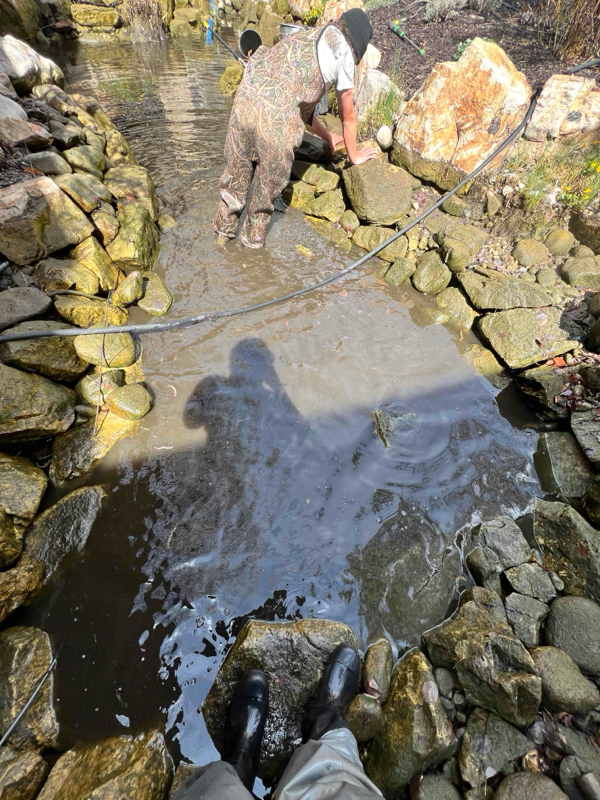
From our Utah service visits
How We Choose the Cleaning Method at Your Pond
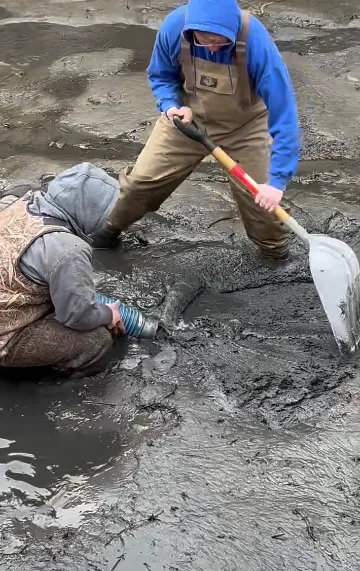
At Utah Water Gardens, we look at the material to remove, access, fish, equipment, and any water loss you have noticed. Our team uses everything from small pumps and vacuum units to equipment for much larger sediment-removal projects. The method should fit the pond rather than the other way around.
We take photos and keep service notes in your customer profile. If we have visited before, those records can help us compare buildup and spot changes. Even if you are a new homeowner, ask whether we have serviced the pond in the past.
See what happens during a professional pond cleanout, or compare vacuuming and dredging for heavier sediment. Tell us your city, approximate pond size, last cleaning date, and fish concerns when you request a cleaning quote.