What Makes Koi Pond Construction Different?
Koi pond construction is more than shaping a basin and adding decorative rocks. A professional koi pond is planned around fish health, water quality, dependable circulation, access to equipment, and the conditions of the property. The design has to support the koi now and remain serviceable as the pond matures.
If you are considering a koi pond in Utah, the process usually starts with a site-specific design conversation rather than a fixed template. The goal is a pond that fits the yard and gives the filtration, plumbing, and fish-care systems enough room to work together.
Site Evaluation and Pond Placement
A koi pond builder begins by reviewing the proposed location, access for excavation and materials, existing grades, drainage, utilities, views, sun exposure, and nearby landscaping. Placement affects water temperature, debris load, equipment access, and how the pond connects to patios or other outdoor living areas.
Utah sites also need to account for hard water, hot summers, evaporation, and freeze-thaw cycles. Those conditions influence the layout and operating plan, so they should be part of koi pond design from the beginning.
Koi Pond Design Starts With Depth, Volume, and Fish Goals
Depth and overall volume should be matched to the intended koi population, site, and climate. Existing site guidance commonly recommends at least 3 feet for koi ponds, with greater depth often considered for Utah winters. A professional designer also considers shelves, edges, hiding areas, access, and how the shape will support circulation rather than creating stagnant zones.
These decisions are connected. A pond built for a few viewing fish has different demands from a heavily stocked system, and a pond with a waterfall or planted edge needs a layout that keeps those features from interfering with fish care.
Excavation and the Pond Structure
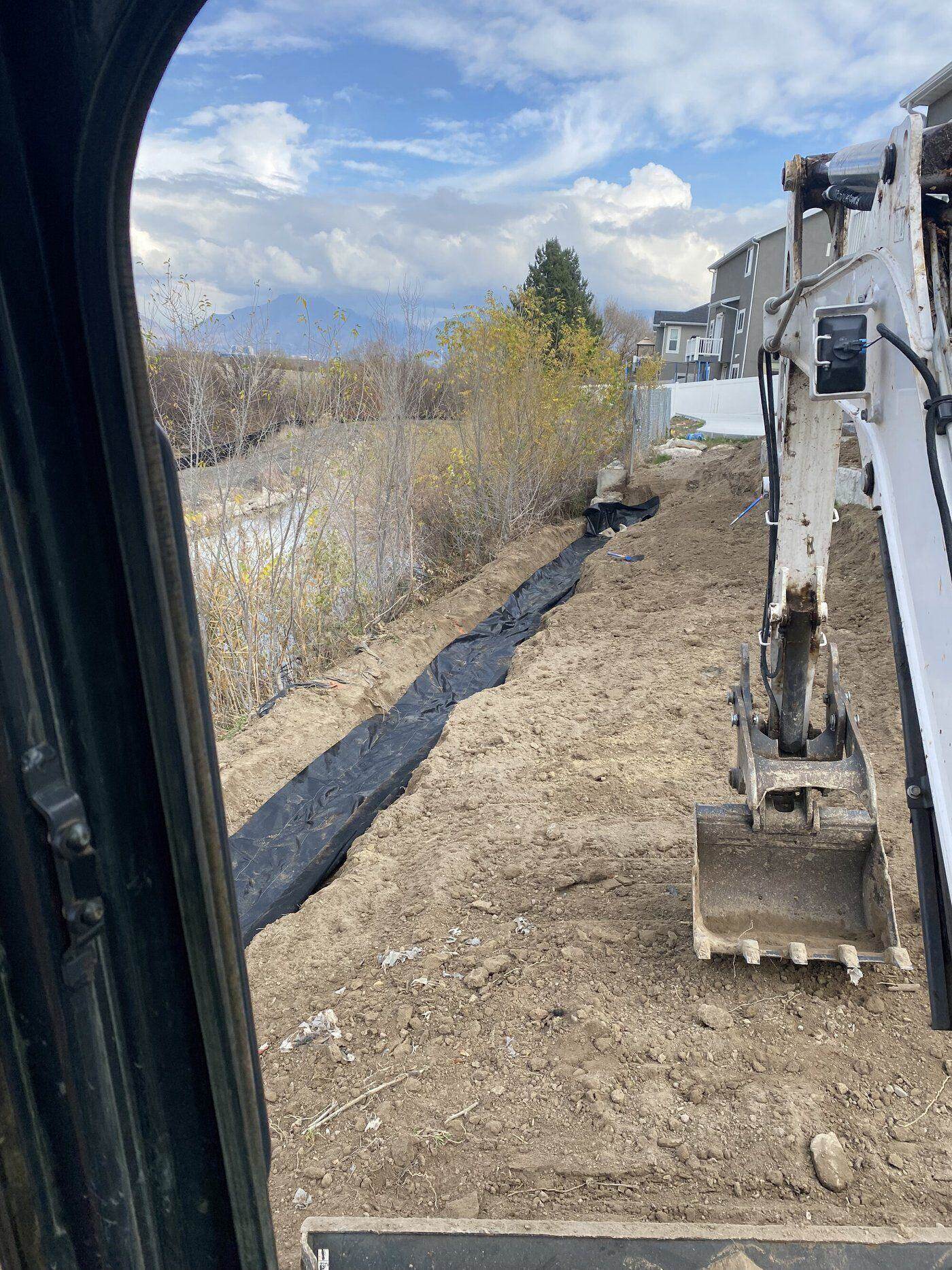
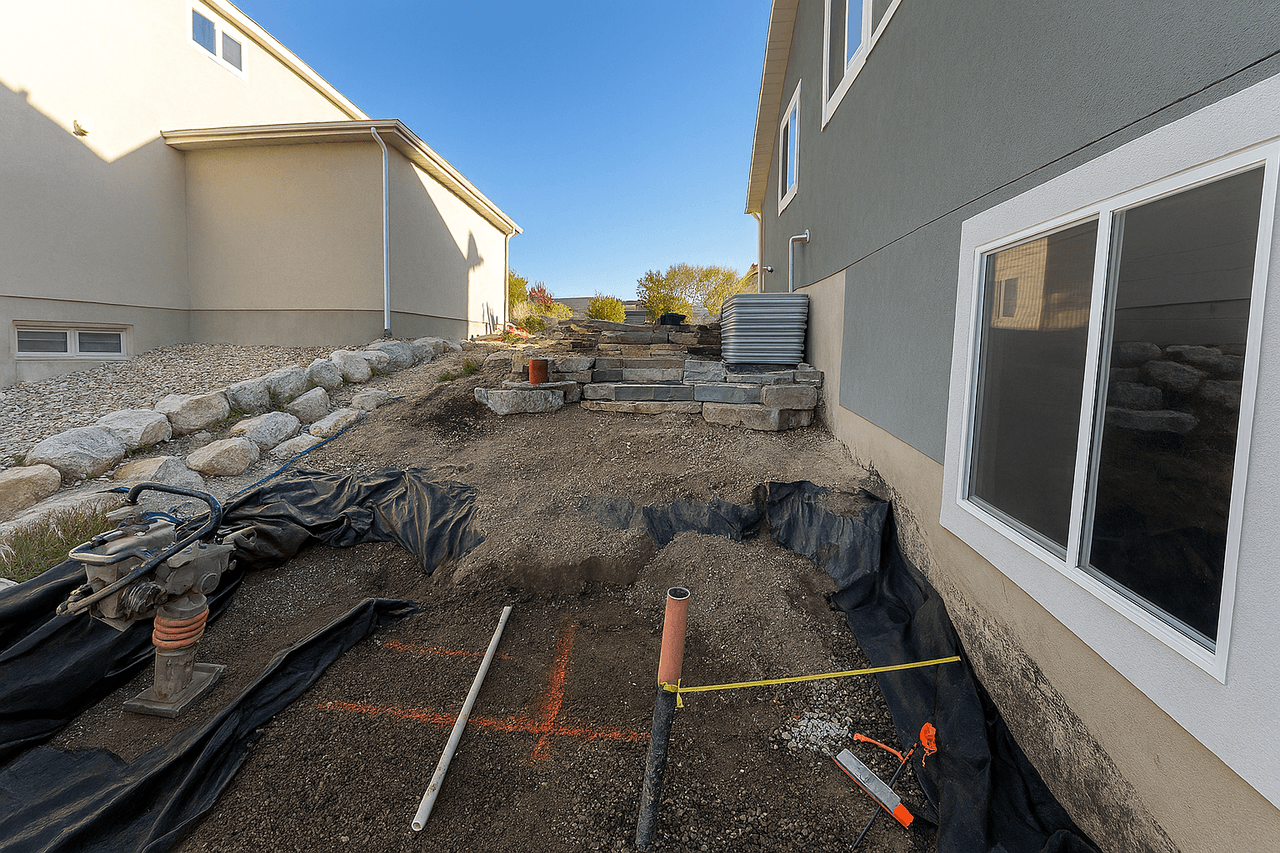
Once the layout is established, excavation forms the basin, slopes, shelves, and equipment areas. The subgrade is prepared before the liner system is installed. Underlayment helps protect the liner from the soil and rockwork above it, while careful edge treatment helps the finished pond sit naturally in the landscape.
The structure should also leave room for safe fish handling and future access. Construction decisions made below grade are difficult to change after the pond is filled, which is why professional planning matters more as the pond becomes deeper or more complex.
Bottom Drains, Skimmers, and Plumbing
Effective koi pond filtration begins with moving waste to the right places. Bottom drains can help collect settled material, while skimmers remove floating debris from the surface. Return lines and other plumbing routes then move filtered water back through the pond or into a waterfall or return feature.
Plumbing should be laid out for reliable flow and future serviceability. Equipment placement, pipe routes, elevations, and access points all affect how easy it will be to inspect, clean, repair, or upgrade the system later.
Koi Pond Filtration and Circulation
Koi pond filtration typically combines mechanical filtration for suspended debris with biological filtration that supports the pond's beneficial bacterial community. The system should be sized around pond volume, fish load, and the planned circulation pattern. UV clarification may also be considered as part of an overall water-quality plan.
Circulation is just as important as the filter itself. Good flow helps limit dead zones, carries waste toward drains and skimmers, and keeps returns, waterfalls, or streams working as intended. Underbuilding filtration or overlooking flow during design can create avoidable maintenance problems.
Aeration, Oxygen, and Fish Safety
Koi need stable, well-oxygenated water. Aeration can support oxygen levels and water movement, especially during hot weather or when fish loads are higher. Fish safety also affects construction details such as depth, shelves, hiding zones, predator protection, and the way fish are introduced when the pond starts up.
A professional team can explain how the planned equipment and operating routine support the fish without turning the article into a do-it-yourself construction manual.
Waterfalls, Returns, Rockwork, and Edges
Waterfalls and returns can add sound, movement, and visual focus to a koi pond, but they need to be coordinated with the circulation and plumbing plan. Rockwork should shape the feature without blocking service access or creating hard-to-clean pockets. Edges, coping, planting shelves, and surrounding landscape should make the pond feel integrated with the yard.
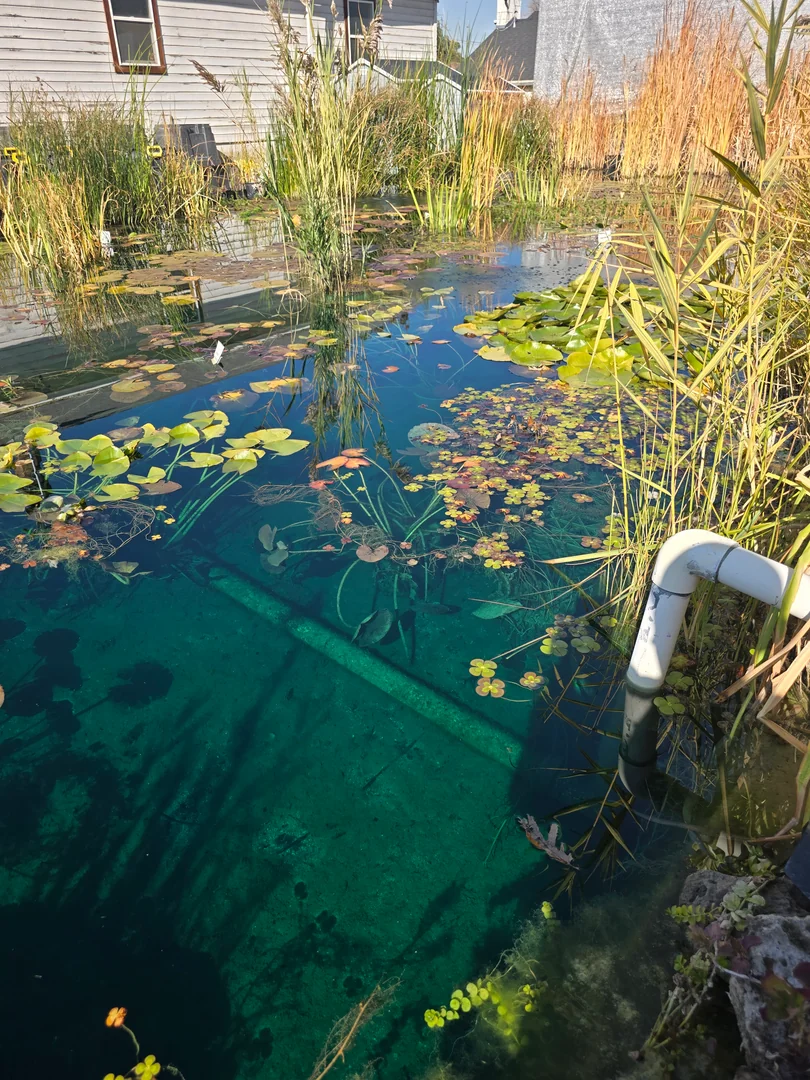
Some koi ponds use restrained planting so the fish remain the focus, while others combine koi viewing with a more garden-like setting. The construction plan should reflect that intended experience.
Designing for Long-Term Serviceability
A well-built koi pond leaves practical access to pumps, filters, skimmers, drains, valves, and electrical components. It also considers how seasonal cleaning, water testing, filter care, and fish management will be handled. Serviceability is part of the design, not an afterthought once the rockwork is finished.
Utah Water Gardens provides ongoing koi pond cleaning and maintenance, but the first step is building a system that can be cared for efficiently over time.
Professional Koi Pond Construction in Utah
Professional koi pond construction brings site evaluation, koi pond design, excavation, liner work, plumbing, koi pond filtration, rockwork, and startup guidance into one coordinated process. To see how the full build process works, visit our pond construction service. For fish-focused design and system planning, explore our koi pond design and construction services.
When you are ready to discuss placement, depth, fish goals, and maintenance access, you can also schedule a pond consultation.