Cattails Can Be Useful, But They Need Boundaries
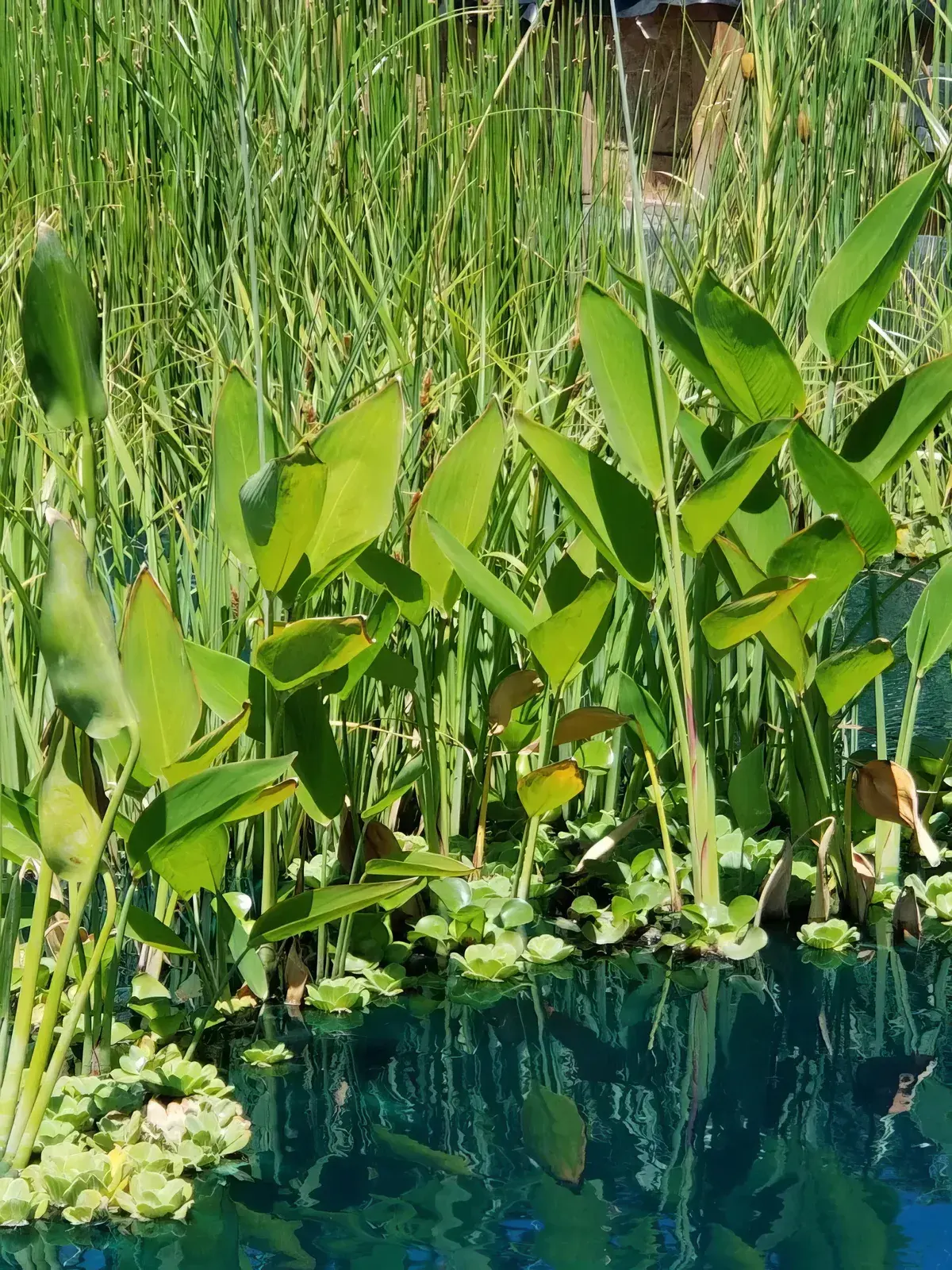
Cattails are one of the most recognizable water plants around ponds and wetlands, but they are not always a carefree choice. In the right setting they can add habitat value and a natural look. In the wrong setting they can spread aggressively, overcrowd edges, and become a maintenance headache.
Where Cattails Work Best
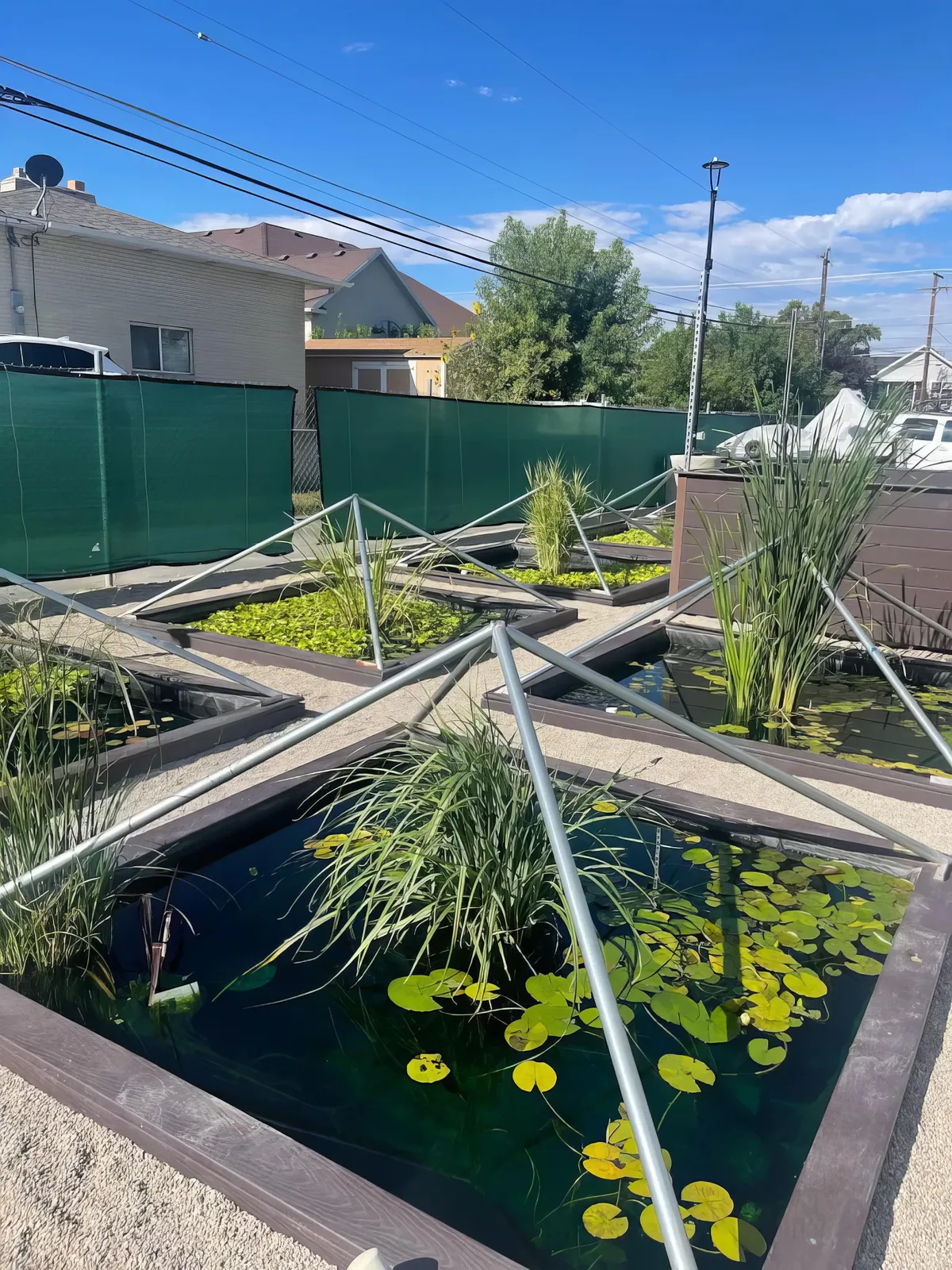
Cattails make the most sense in larger, more naturalized pond edges and wetland-style settings where a taller plant fits the look and there is enough room to manage growth. They are usually less ideal for small decorative ponds where they can overwhelm the design quickly.
Why People Like Them
- Strong natural wetland look
- Good vertical structure at pond edges
- Habitat value in larger naturalized settings
- Hardy performance in the right conditions
Why They Can Become a Problem
Cattails spread. If they are not managed, they can crowd out other pond-edge plants, block views, and make the shoreline feel overgrown. In smaller ponds, they often outgrow the space much faster than owners expect.
Planting Considerations
- Use them where there is room to manage spread
- Think about long-term maintenance before planting
- Avoid treating them like a delicate accent plant
- Match the plant choice to the pond's actual scale
Cattails vs. Cleaner Edge Plants
If you want a more controlled decorative pond look, many owners prefer marginals that stay tidier and are easier to manage. Cattails are better suited to properties that want a naturalized edge and have the space to support it.
Utah Pond Plant Guidance
Utah Water Gardens helps pond owners choose plants that fit both the look of the pond and the level of maintenance they actually want. If you are considering cattails, it is worth making sure they fit the site before they become a bigger chore than expected.