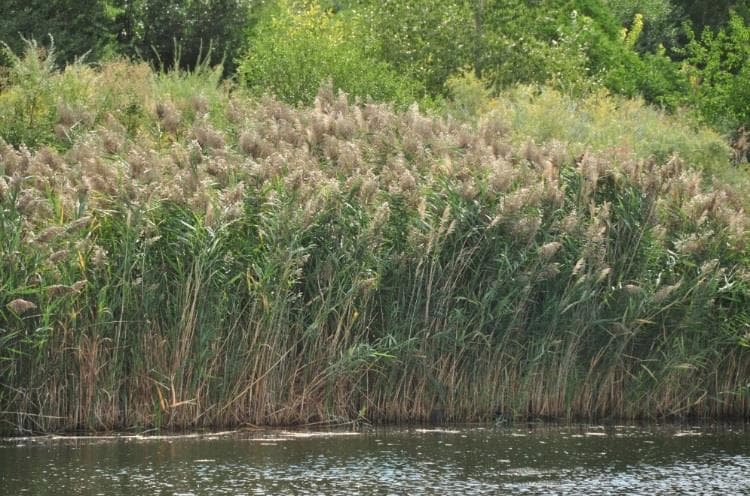
What Is Phragmites?
Phragmites is a tall invasive reed that can take over ponds, lakes, canals, wetlands, and detention basins in Utah. At first it may just look like a patch of overgrown shoreline grass. Then it spreads. Fast. Once established, it forms dense stands that are difficult to walk through, hard to remove, and frustrating to manage.
If you have dealt with phragmites before, you already know it can feel downright evil. It crowds shorelines, blocks views, and turns usable pond edges into thick walls of reeds.
Why Phragmites Is Such a Problem
The biggest problem with phragmites is that it does not stay contained for long. It spreads through underground rhizomes and can quickly expand into large colonies. That means what starts as a manageable patch can become a much larger restoration problem if it is ignored.
It also outcompetes native shoreline vegetation, reduces biodiversity, and makes a water feature or basin look neglected even when the rest of the property is maintained.
Common Problems Phragmites Causes
- Blocks shoreline access and visibility
- Crowds out native plants and desirable vegetation
- Makes ponds, canals, and basins look overgrown
- Interferes with inspections and maintenance
- Creates dense root systems that are hard to control
- Returns again and again if it is not managed correctly
Why Cutting It Back Usually Is Not Enough
One of the most frustrating things about phragmites is that simple trimming or mowing often does not solve the real problem. You may knock it down temporarily, but the underground root system is still there. Without a proper management plan, it often comes right back.
That is why shoreline cleanup and invasive vegetation control usually need a more targeted approach instead of a one-time cutback.
Why Early Action Matters
The earlier phragmites is addressed, the easier it usually is to manage. Smaller patches are less disruptive, easier to access, and less likely to have already taken over the surrounding shoreline. Waiting too long can mean more labor, more regrowth, and more restoration work later.
Phragmites Around Ponds, Lakes, and Basins in Utah
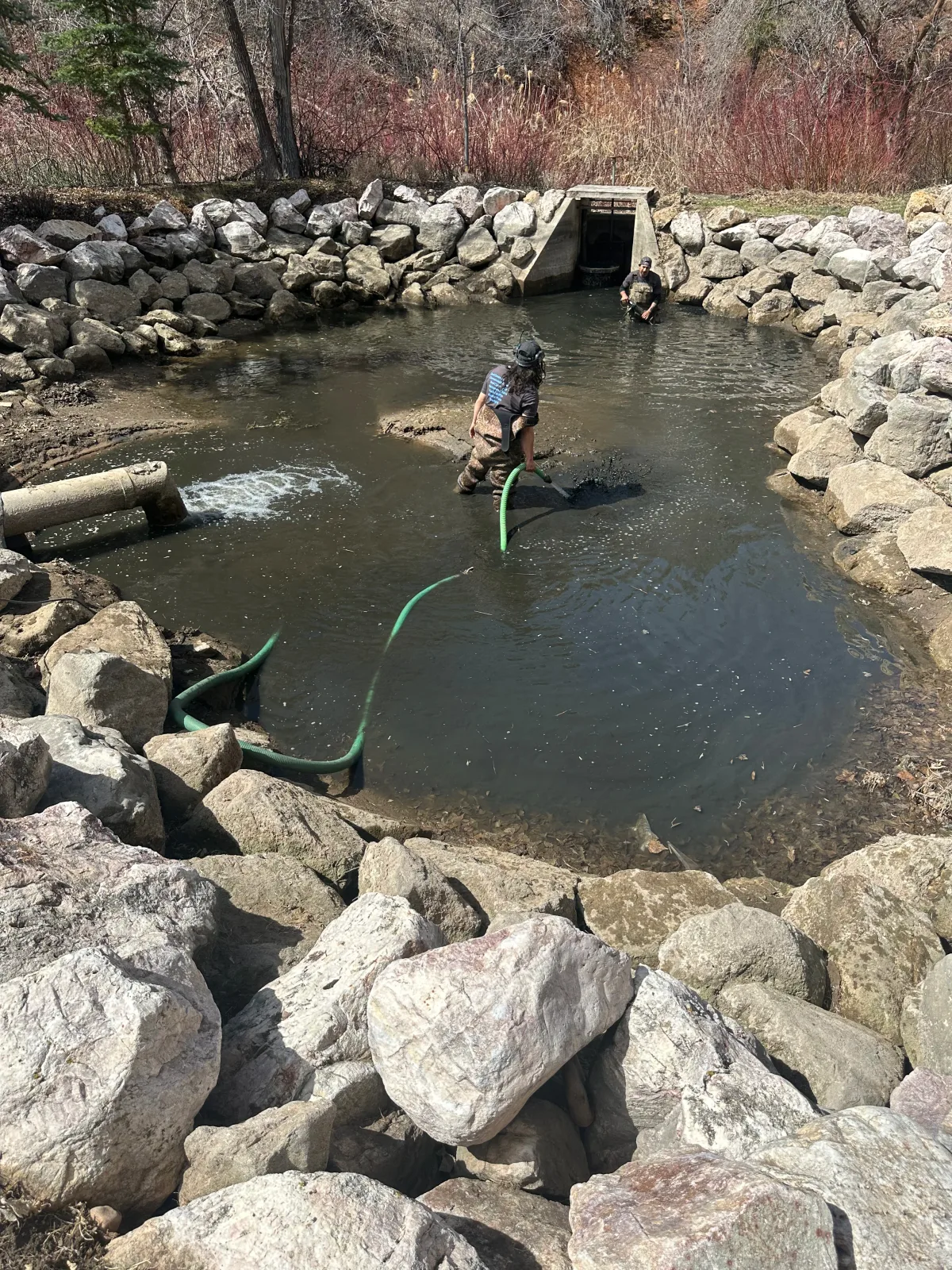
In Utah, phragmites can become a serious issue around retention ponds, decorative ponds, large basins, canal edges, and naturalized shorelines. For HOAs, commercial properties, municipalities, and larger private properties, it can quickly shift from “annoying vegetation” to a real maintenance and appearance problem.
Dense shoreline overgrowth can make a property look abandoned, reduce usability, and make ongoing pond or basin care harder than it needs to be.
Professional Help With Phragmites and Shoreline Overgrowth
Managing invasive shoreline vegetation takes more than just cutting it down and hoping it stays gone. A better plan focuses on reducing the growth, improving access, and restoring a cleaner, more manageable shoreline.
Utah Water Gardens helps with shoreline overgrowth, pond edge cleanup, invasive vegetation removal, and restoration-focused water feature services. If phragmites is taking over your shoreline, now is the time to get ahead of it.
See our phragmites removal services in Utah to discuss the growth, site access, and options for your shoreline.